Arlington Heights, IL 60005

Call Us Today for a FREE Initial Consultation
847-253-3100


Recent Blog Posts
The Dos and Don’ts of Getting Pulled Over by Police, Part Two: Additional Considerations
 In a previous post on this bog, we discussed some of the ways you can make your experience with the police go smoother and more efficiently when you are pulled over for a traffic violation. Nearly every person who drives a motor vehicle will get pulled over by police at some point. For some, it will be caused by something as minor as a broken taillight, while others will have more dramatic encounters with police. If you are ever pulled over by police, take the following steps to ensure that you do not make the situation more dangerous or difficult than necessary.
Do Not Exit the Car Without Being Told to Do So
Tension between police and citizens have never been higher than in recent years. Prominent cases of alleged police brutality receive copious media attention. For example, many have attributed the 2014 death of Eric Garner to the New York City Police Department. Michael Brown’s death in Ferguson, Missouri led to the public looting of businesses, vandalism of vehicles, arson, first responders being shot at, and violent conflicts between protestors and police.
The Dos and Don’ts of Getting Pulled Over by Police, Part One: The Basics
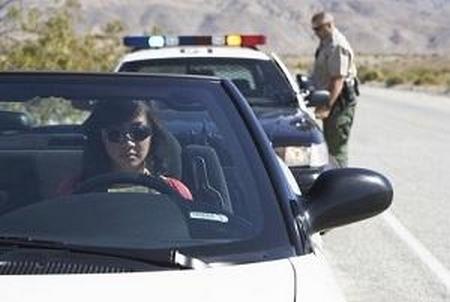 Getting pulled over by police is never a fun thing to go through. One minute you are driving down the road and the next moment you see flashing lights in your rearview mirror. Police can pull a motorist over for a number of reasons including for traffic violations such as speeding, running a red light, or suspicion of drunk driving. If you are pulled over by a police officer, it is important that you take certain steps to ensure your interaction with the officer goes as smoothly as possible.
Do Get Organized Before You Are Pulled Over
It is always a good idea to have your vehicle’s registration, your driver’s license, and proof of insurance in an easily accessible place. If you know where these items are before you are pulled over, it can make the process much faster and easier.
Do Pull Over as Soon as It Is Safe and Cooperate
If you see flashing lights or hear a siren, you should immediately pull over to the right. If the police car drives past you, you can assume the officer is pursuing someone else. If he or she continues to drive behind you, you are probably being pulled over. When there is a chance to do so safely, pull over onto the shoulder of the road. Keep your hands on the steering wheel and roll down the window when asked. The officer will ask for your license and registration. Get those items and hand them to the officer when asked.
Frequently Asked Questions About Orders of Protection in Illinois
 Did you know that as many as one in three women and one in four men, on average, will suffer abuse perpetrated by a spouse or domestic partner at least once during their lives? These numbers do not even account for violence or abuse committed by parents, children, siblings, or other family members. Domestic violence is a serious problem for countless families throughout Illinois, and addressing such violence often begins with seeking an order of protection.
Many domestic abuse victims have similar questions about protective orders, including:
Q. What is an order of protection?
A. An order of protection is a court-issued directive that can be issued to protect victims or potential victims of domestic violence from their abuser.
Q. Who can request an order of protection?
A. Because orders of protection are used to address domestic violence concerns, only those with certain types of relationships with the alleged abuser can seek protective orders. This includes current and former romantic partners, individuals who live(d) with the alleged abuser, relatives and children, and anyone with disabilities who receives care from the alleged abuser. Neighbors, friends, acquaintances, and strangers do not have the standing to request an order of protection.
When You Are the Subject of an Order of Protection
 There is absolutely no question that domestic abuse and intimate partner violence are real problems in thousands of American households, including many right here in Northern Illinois. While many people are forced to suffer the effects of such abuse, sometimes allegations are exaggerated or even completely fabricated. Domestic violence, however, is such a sensitive and dangerous issue that claims of innocence by an alleged abuser are taken much less seriously than the allegations themselves. It is not unheard of for an order of protection to be issued based on false pretenses or misunderstandings, leaving the accused in very unfair position.
Comply With the Order
Under Illinois law, an emergency order of protection can be granted based on the testimony and evidence presented by a single party. The alleged abuser is not required to appear or provide his or her side of the story. When a victim is actually in danger, this process allows the person to obtain protection from an imminent threat quickly. When the allegations are overblown or totally made up, on the other hand, the process puts the accused at a serious disadvantage.
Plenary Orders of Protection
 The most recent blog entry discussed emergency protection orders. Emergency orders of protection, which are sometimes colloquially referred to as restraining orders, are legal documents which allow a victim of domestic violence to be protected from their abusers. These orders are only temporary. A plenary order of protection is usually the next step after an emergency order of protection. These orders of protection require a hearing, but they last much longer. A plenary order is issued by a judge after a hearing with both the petitioner—the alleged victim of domestic violence—and the respondent—the alleged abuser.
What to Expect at a Plenary Order of Protection Hearing
A court hearing can be an overwhelming undertaking for anyone, especially someone who has been abused. Abuse and domestic violence often chip away at a victims’ self-confidence, even convincing the victim that he or she deserved the abuse. However, although it can be emotionally exhausting, a plenary order of protection is the safest choice for someone worried about his or her safety. Generally, the hearing date is set on the Emergency Order of Protection (EOP), but this date is not set in stone. A hearing can be delayed for many reasons, but victims of abuse should take heart in knowing that their emergency order of protection will remain in effect until the hearing can be conducted.
Emergency Orders of Protection in Illinois
 Domestic violence is, unfortunately, a common occurrence in homes across the United States. Approximately one in three women and one in four men have been or will be the victims of physical, sexual, or emotional abuse at the hands of their intimate partner. If you or your child have been affected by domestic violence, you may feel alone, frightened, or confused. You want things to be different but you may be unsure as to your next steps. In many cases of domestic violence, the first thing you should do is to place a legal barrier between yourself and your abuser. Petitioning the court for an emergency order of protection can help defend you or your child’s safety and security.
How to Get an Emergency Order
Fortunately, requesting an emergency order of protection is simple. You can file your petition with the court of the county you live in or in the county where you are temporarily staying. Your petition can also be filed in the county where your abuser lives. You can file your petition with an available circuit court judge or associate judge if the court is closed for the weekend or a holiday. With your petition, you will need to include the nature of the abuse to be addressed and the specific dangers to yourself or your children. Based on your testimony, an emergency order of protection can be granted immediately.
MDDP Program in Illinois Could Put You Back Behind the Wheel
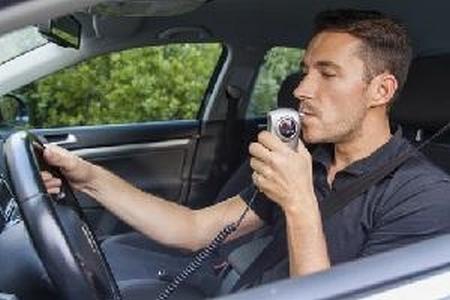 Being charged with the crime of driving under the influence (DUI) can have devastating effects on a person’s life. Fortunately, there is a program available for first-time DUI offenders in Illinois that can help them get back on the road, even if their driving privileges have been suspended.
A monitoring device driving permit (MDDP) allows drivers to drive after they install a breath alcohol ignition interlock device (BAIID) on their vehicle. In order to participate in the monitoring device driving permit program, you must meet the MDDP eligibility requirements. To qualify, a driver must:
- Be a legal adult (18-years-old or older);
- Be a first-time offender;
- Have a valid driver’s license;
- Have not had any previous statutory summary suspensions;
- Have not been previously convicted of DUI or assigned court supervision for a DUI in Illinois and
- Have not been convicted of a DUI in another state within five years.
Former Basketball Star Charged With DUI Under Bizarre Circumstances
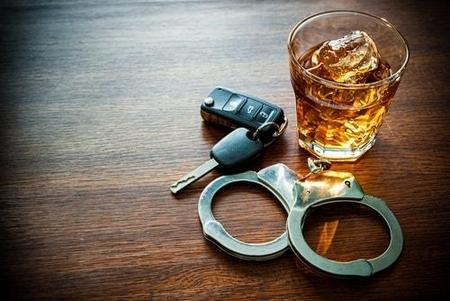 When people think about the consequences of a DUI, what usually comes to mind is the possibility of jail time. However, being convicted of driving under the influence can be devastating in more ways than just one. Those who drink and drive are not only are risking going to jail but are also putting themselves and the surrounding vehicles serious danger.
A former college basketball star was recently arrested for drunk driving in Belleville, Illinois. The arrest happened around 3 a.m. after sheriff's deputies noticed a vehicle stopped at a red light. The light turned green and the car did not move. When other drivers had to physically drive around the stopped car to get through the intersection, the officers became suspicious. Deputies found the driver of the stopped car unresponsive. It quickly became apparent that the driver had actually passed out behind the wheel while driving.
Police have explained that the vehicle "was running and in gear, with his foot on the brake and music was blaring from the interior of the vehicle." There was an also odor of alcohol coming from the driver, according to the police. After officers were able to rouse the sleeping driver, they notified him that he was under arrest. The driver then physically resisted arrest and had to be restrained. He was found to have a blood-alcohol concentration more than twice the legal limit at .185 percent. The driver was cited for disobeying a traffic control device, improper parking on the roadway, obstructing a police officer, and for driving with a blood-alcohol level above the Illinois legal limit of .08 percent.
DUI Awareness on “Blackout Wednesday”
 This Thursday is Thanksgiving—a time when old friends and relatives get together to celebrate and give thanks for the blessings in their lives. Unfortunately, during the holiday, many people choose to drink and then get behind the wheel of a car. Bars are often very crowded the day before Thanksgiving as many have the next day off work, so they feel more comfortable drinking more than they normally would. Drinking on that particular night has become so prevalent that it has earned the ominous nickname of “Blackout Wednesday.” Others, of course, may drink to cope with family and personal stresses, which can be especially difficult during the holidays. Still others just want to party and have a good time and do not realize they are too intoxicated to drive.
Plan for a Ride Home If You Plan to Drink This Wednesday
Standardized Field Sobriety Tests During a DUI Stop
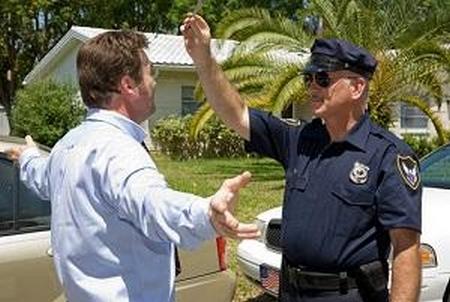 Imagine that you have been pulled over on suspicion of driving under the influence, or DUI. The officer approaches your car and asks if you have been drinking. Regardless of your answer, you may be asked to get out of your car and submit to sobriety testing. From you have seen on TV or in the movies, do you know what the test would be? Will the officer ask you to recite the alphabet backwards? Or maybe he or she will have you spell your birth month. While there are many entertaining ways to test a person for potential intoxication, law enforcement officers around the country typically rely on a series of evaluations approved by the National Highway Traffic Safety Administration (NHTSA) known as Standardized Field Sobriety Tests, or SFSTs.
What Are SFSTs?
The SFSTs consist of three separate assessments designed to help an officer estimate a driver’s level of intoxication. These tests can be used in addition to a chemical testing procedure, such as a breathalyzer, or to justify a DUI arrest if such chemical testing provides marginal results or is not available.







3030 Salt Creek Lane, Suite 120, Arlington Heights, IL 60005
847-253-3100

Contact Our Firm
 The use of the Internet or this form for communication with the firm or any individual member of the firm does not establish an attorney-client relationship. Confidential or time-sensitive information should not be sent through this form.
I have read and understand the Disclaimer and Privacy Policy.